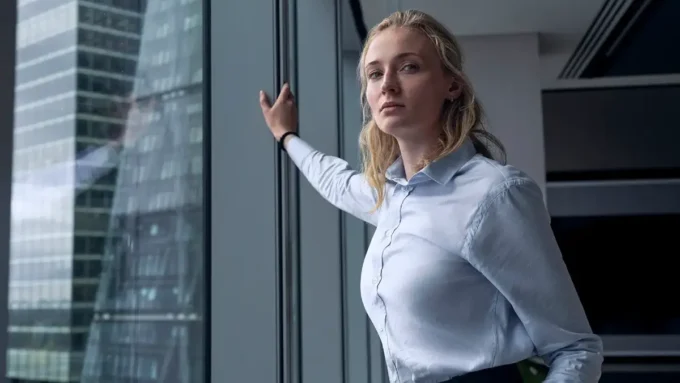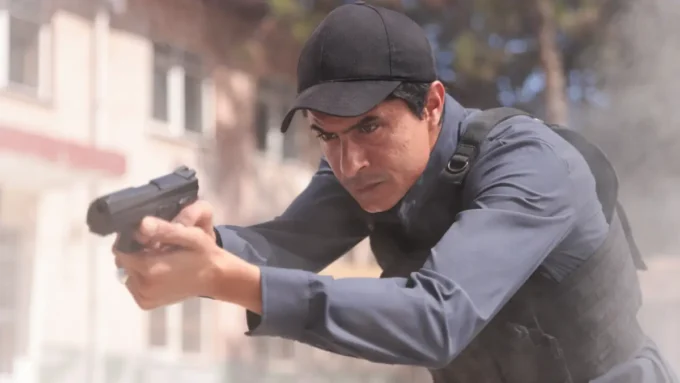

Adapting the visceral literature of Mariana Enríquez for the screen is no easy task, but Argentine director Laura Casabé decided to take on the challenge. In “The Virgin of the Quarry Lake” (2025), which premiered at the acclaimed Sundance Festival, Casabé teams up with screenwriter Benjamín Naishtat to merge two of the author’s short stories into a single narrative.
The result is a co-production between Argentina, Mexico, and Spain that avoids traditional horror clichés to deliver a coming-of-age story infused with magical realism, social tension, and a lot—a lot—of sweat. If you enjoy stories about the horrors of growing up in a world that seems to be falling apart, this film definitely deserves your attention.
Synopsis
The story throws us straight into the suffocating summer of 2001, in the dusty suburbs of Buenos Aires, right in the midst of the looming economic and social crisis that would shake Argentina. It’s in this chaotic setting that we meet Natalia, or Nati (played by the impressive newcomer Dolores Oliverio), a 16-year-old girl who lives with her grandmother, Rita (Luisa Merelas), after being abandoned by her mother.
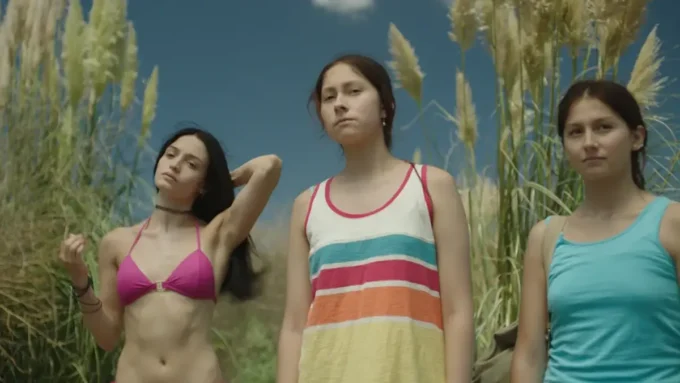
Nati and her loyal friends, Mariela and Josefina, spend their days sharing boredom and a common interest: Diego (Agustín Sosa), a childhood friend whom Nati is secretly (or not so secretly) in love with. The group’s fragile teenage ecosystem collapses when Silvia (Fernanda Echeverría) enters the scene.
She is older, in her twenties, has lived in London, and exudes a seductive confidence that quickly captures Diego’s attention. Consumed by jealousy and frustration, Nati turns to her grandmother’s knowledge of magic and witchcraft to try to turn things in her favor, awakening dark forces that spiral out of control.
Film Review – The Virgin of the Quarry Lake
The weight of context: the heat and the 2001 crisis
One of the film’s strongest aspects is how the environment dictates the rules of the game. Argentina’s 2001 crisis isn’t just a decorative backdrop to establish the time period—it’s almost an active character in the story. Frequent blackouts, street violence, and a collective sense of hopelessness serve as a perfect mirror to the hormonal and emotional turmoil happening within the protagonist.
Diego Tenorio’s cinematography is precise in capturing this atmosphere. The yellowish tones, the dust that seems to float across the screen, and the constantly sweaty bodies make us physically feel the unbearable summer heat, creating a sense of oppression and claustrophobia. It’s the kind of film where stillness feels unsettling, because you know everything is about to explode at any moment—just like the country itself.
Teenage rage and the shadows of Carrie
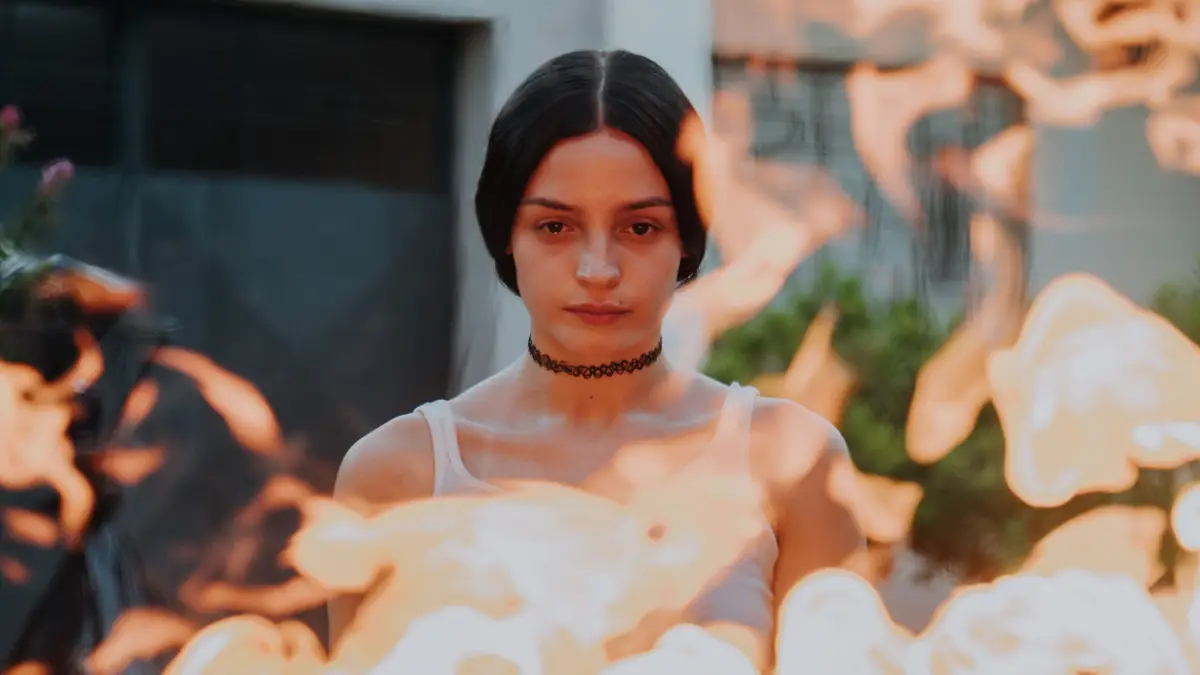
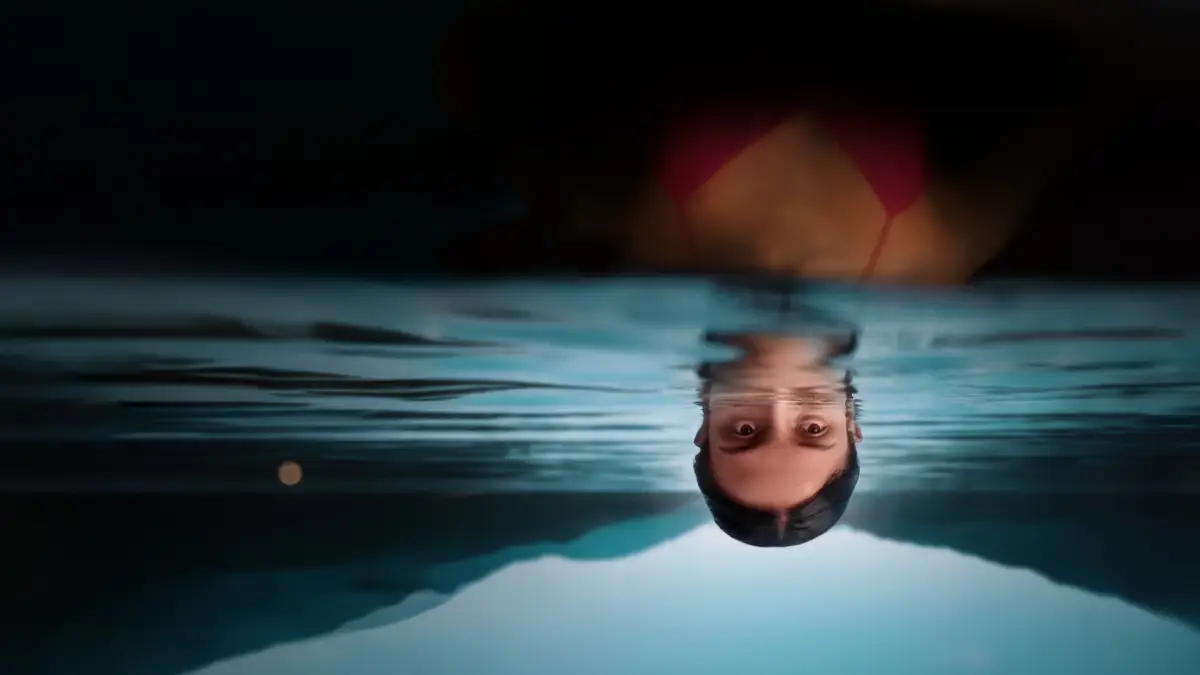
If the film works so well, much of the credit goes to Dolores Oliverio’s performance. In her film debut, she delivers a fascinating Nati who oscillates between teenage arrogance, vulnerability, and deep-seated anger. Nati doesn’t try to be a likable, easy protagonist; on the contrary, she is rough-edged, possessive, and flirts with villainy.
It’s no coincidence that many critics have compared the character’s tone to the classic “Carrie.” Nati’s heightened sexuality and her frustration at being overlooked turn into a destructive force. When Silvia—with her exotic stories and big-city coolness—steals Diego’s attention and tries to bond with the group by taking them to the quarry lake mentioned in the title, Nati’s jealousy manifests in inexplicable and violent ways. The dynamic between the girls is brutally honest and captures the rivalries typical of this stage of life.
The horror hidden in everyday life
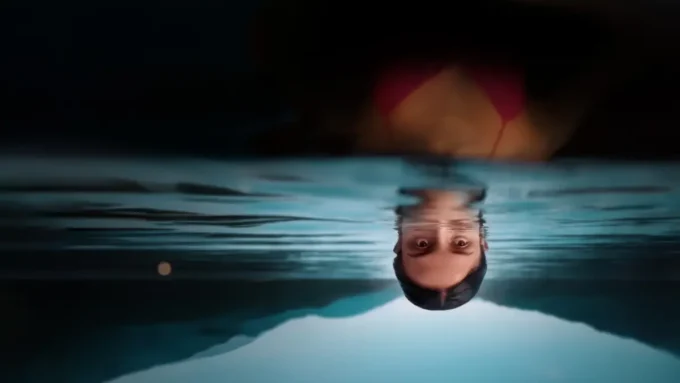
Laura Casabé builds horror without relying on cheap jump scares or monsters in the closet. It’s a much more intimate kind of terror, blending with coming-of-age anxieties. Magic and witchcraft, introduced through the eerie yet comforting figure of Grandma Rita, operate at the edges of reality.
The frightening incidents—whether power outages during moments of heightened sexual tension, vicious dogs, or brutal accidents—leave us questioning: is this the work of supernatural forces, witchcraft, or simply Nati’s repressed fury shaping reality around her? Casabé takes her time answering these questions, and this ambiguity is precisely what makes the film so magnetic and hypnotic, keeping tension high even with a slower pace.
Conclusion
“The Virgin of the Quarry” is a film that refuses to be just another story about teenagers suffering for love. Laura Casabé delivers an ambitious, suffocating, and strangely beautiful work that connects a country’s social crisis with the internal chaos of a young woman.
Even if the script occasionally stumbles while balancing so many themes, and the pacing may test the patience of those expecting more conventional horror, the power of its imagery and the impact of its protagonist make the experience well worth it. It’s a film that clings to your skin—just like the sweat of that unforgettable and terrible summer of 2001.
Where to watch The Virgin of the Quarry Lake
Trailer of The Virgin of the Quarry Lake (2025)

Cast of The Virgin of the Quarry Lake
- Dolores Oliverio
- Isabel Bracamonte
- Candela Flores
- Fernanda Echevarría
- Agustín Sosa